Menu
Areas of risk in the industry
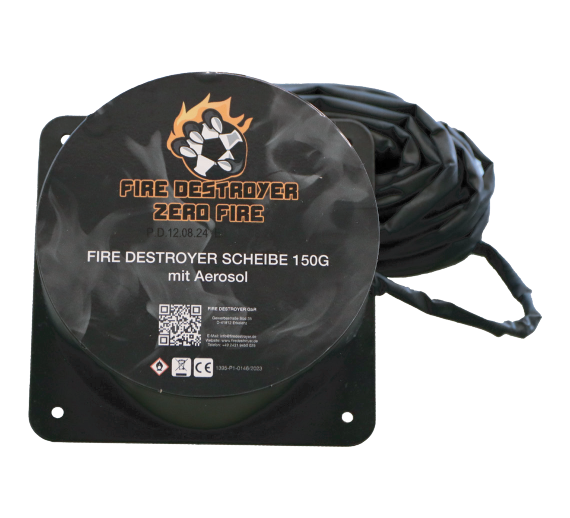
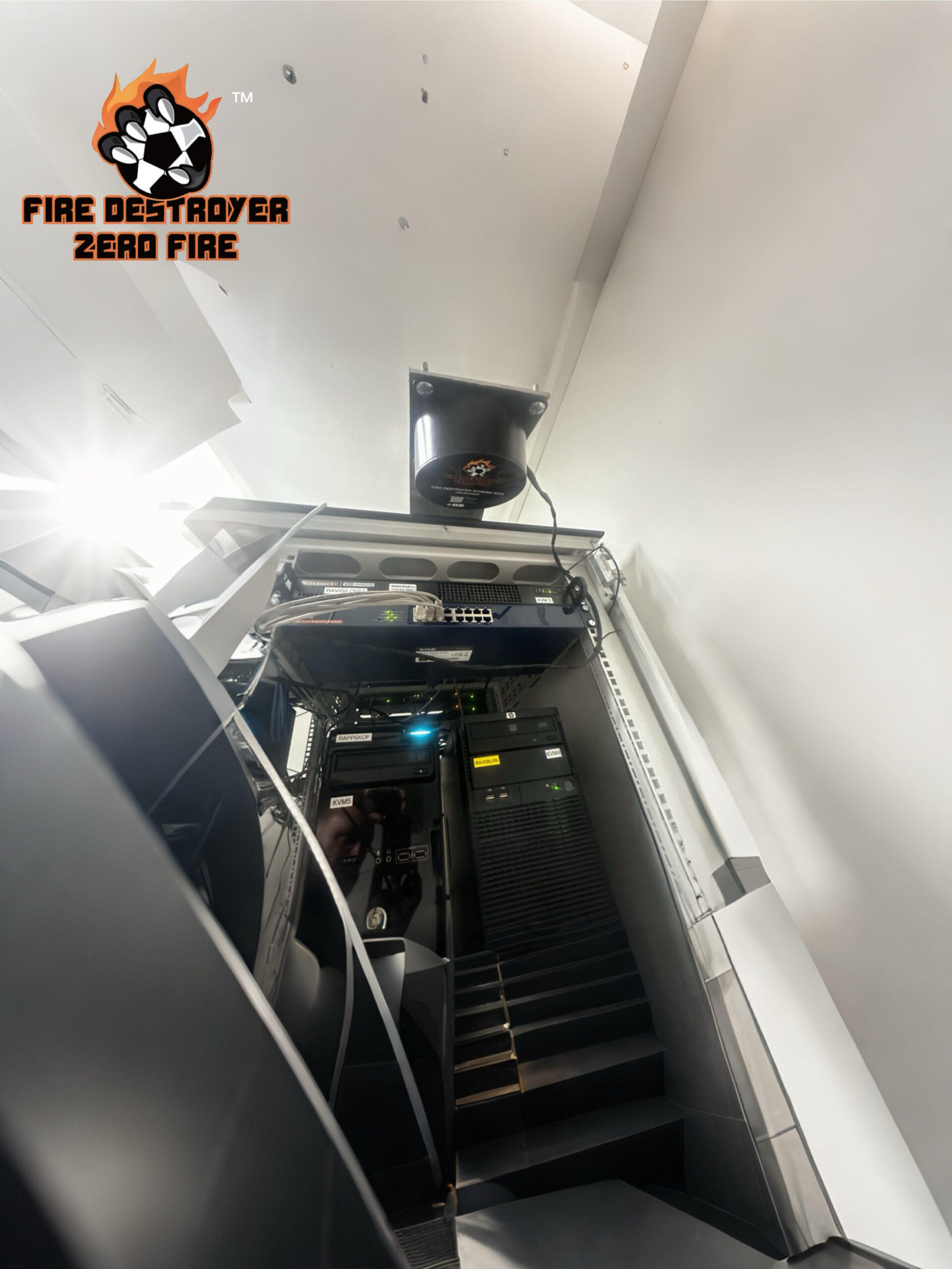
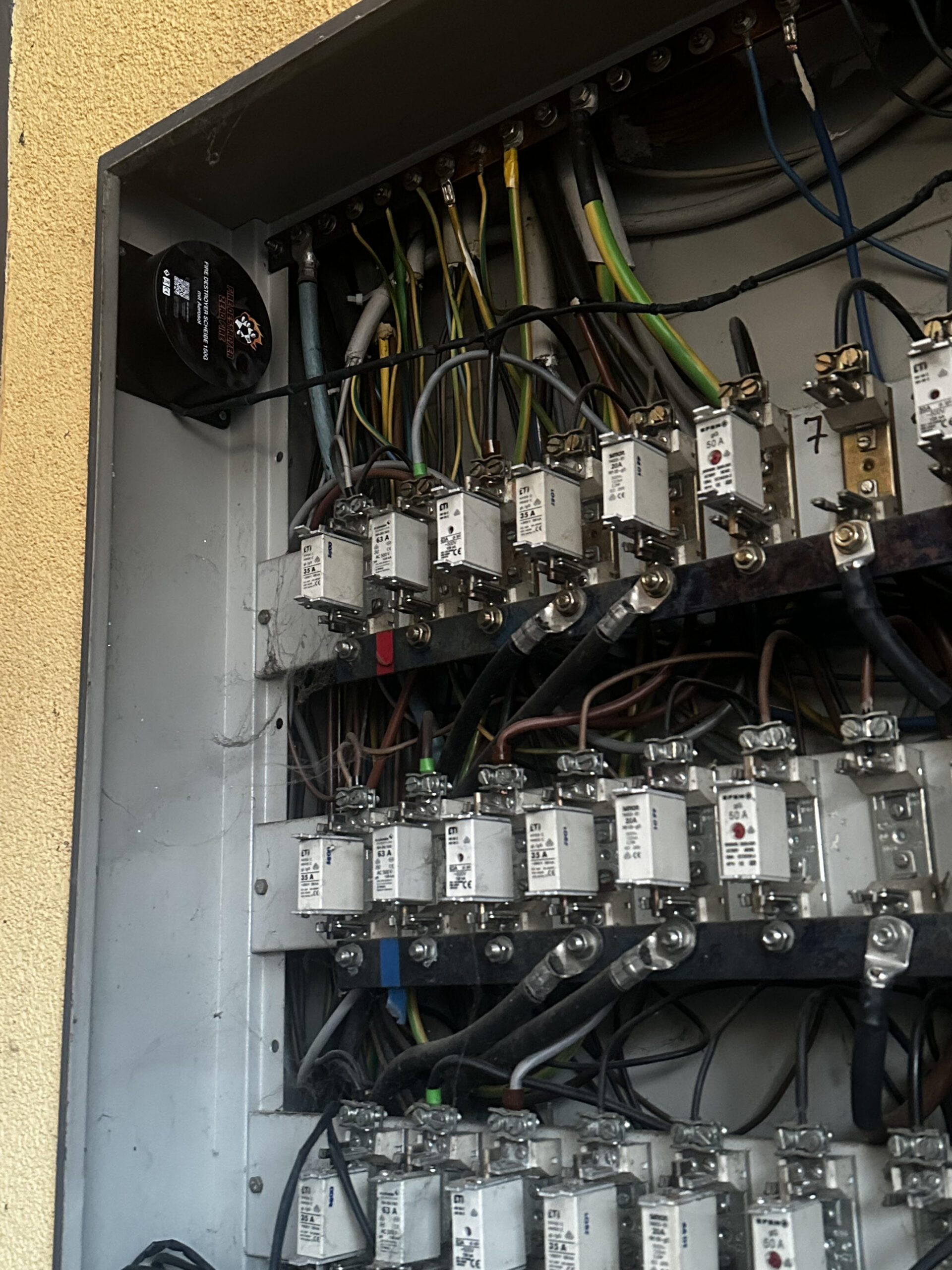
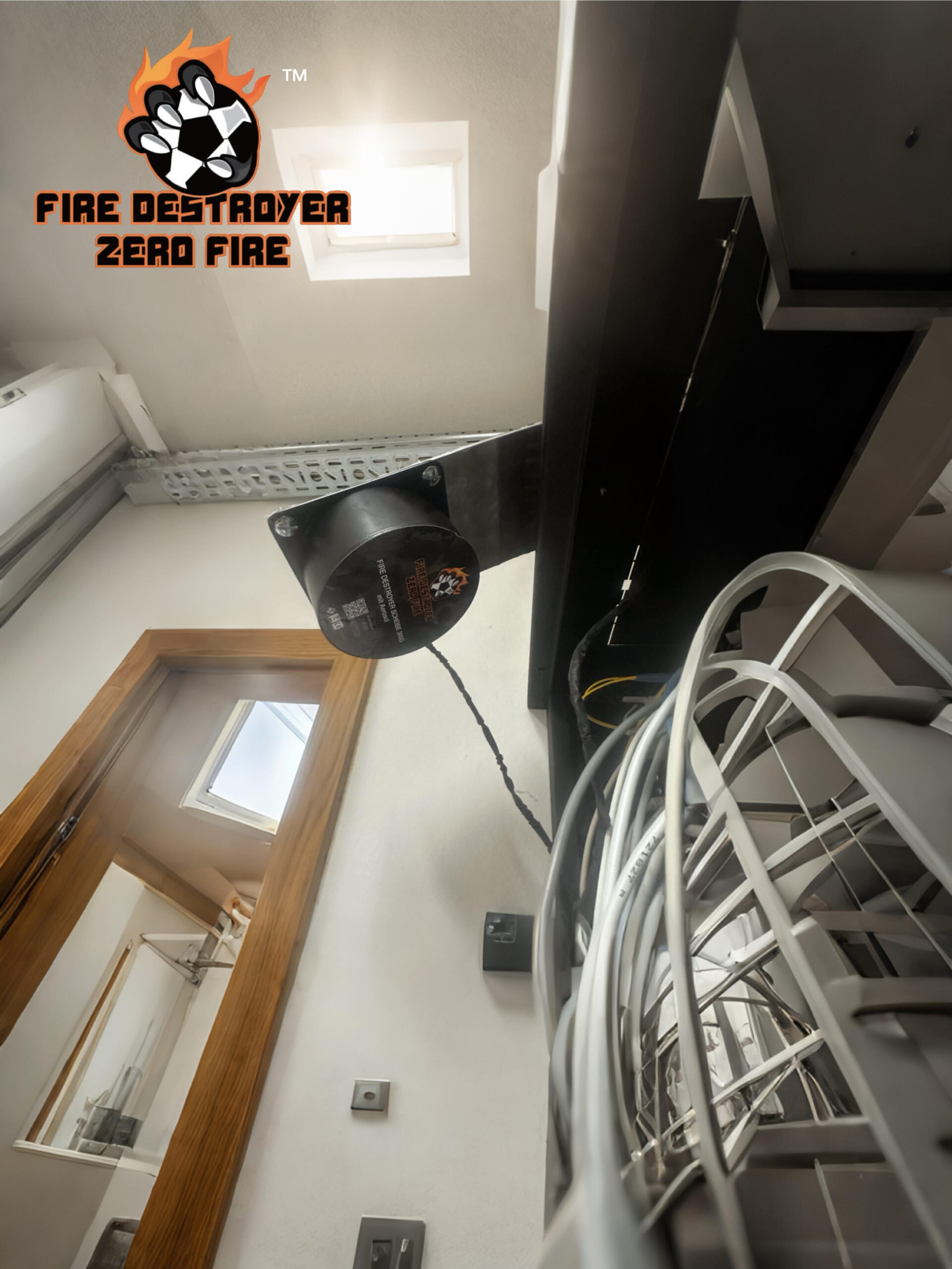
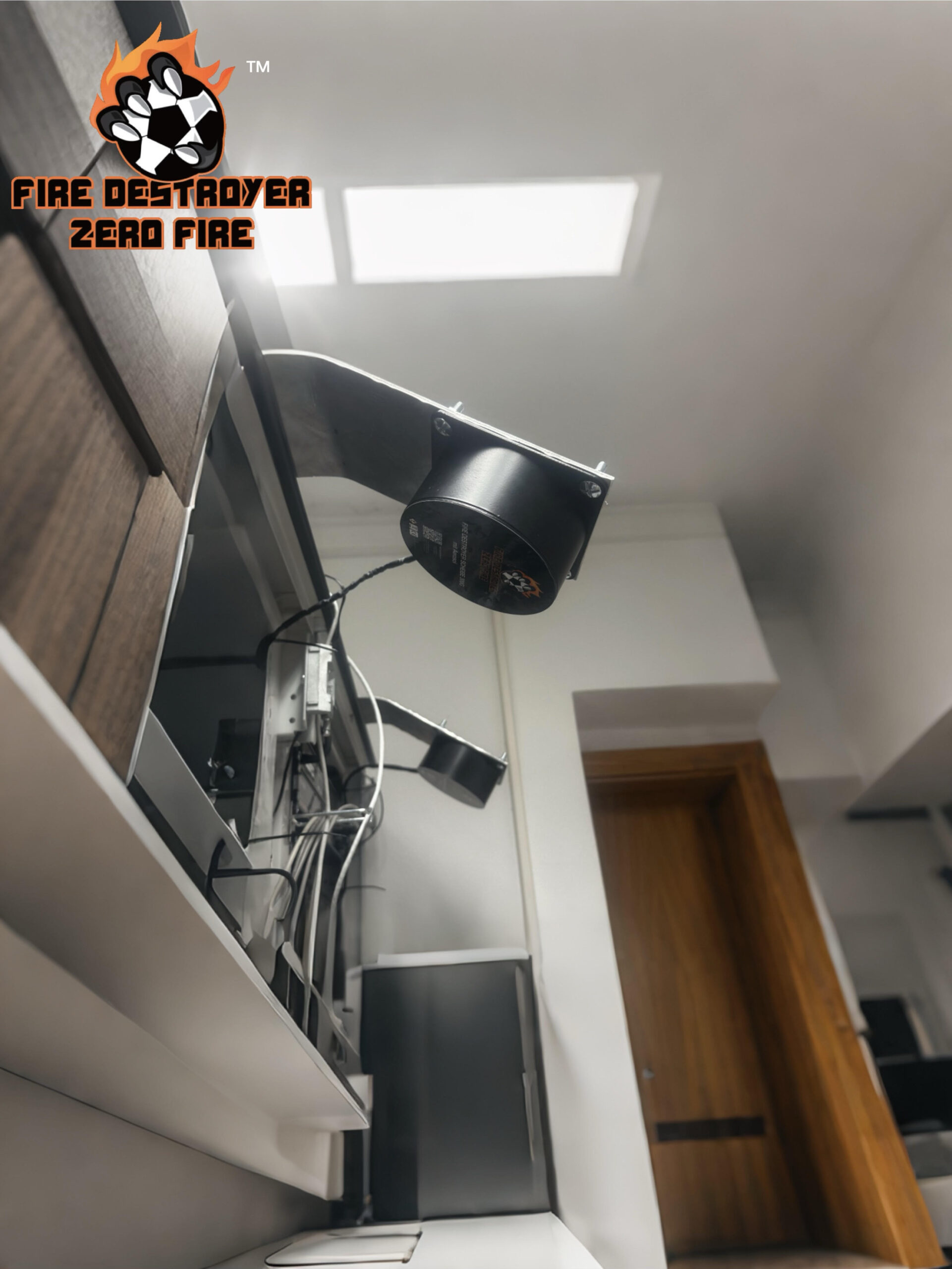
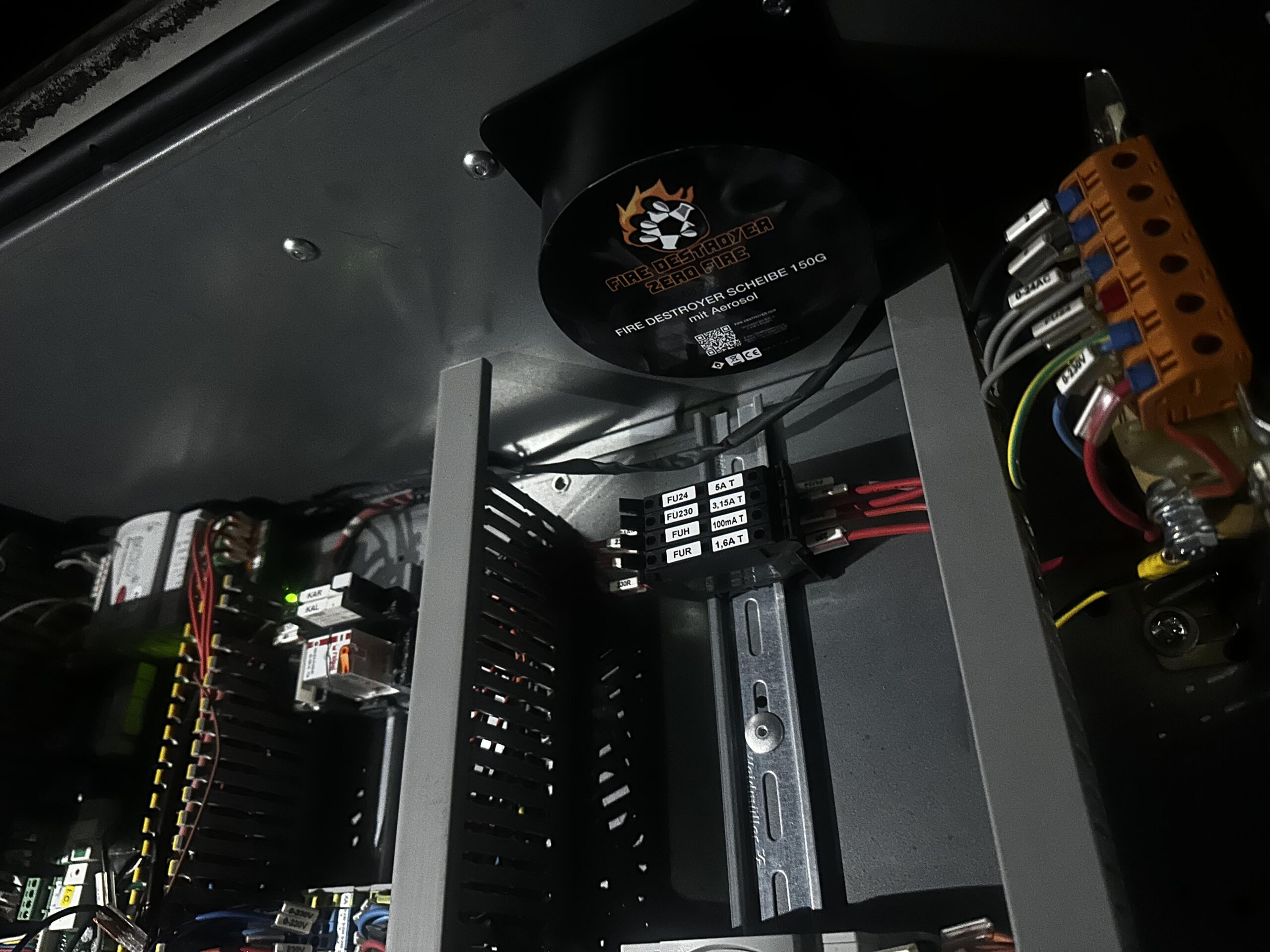
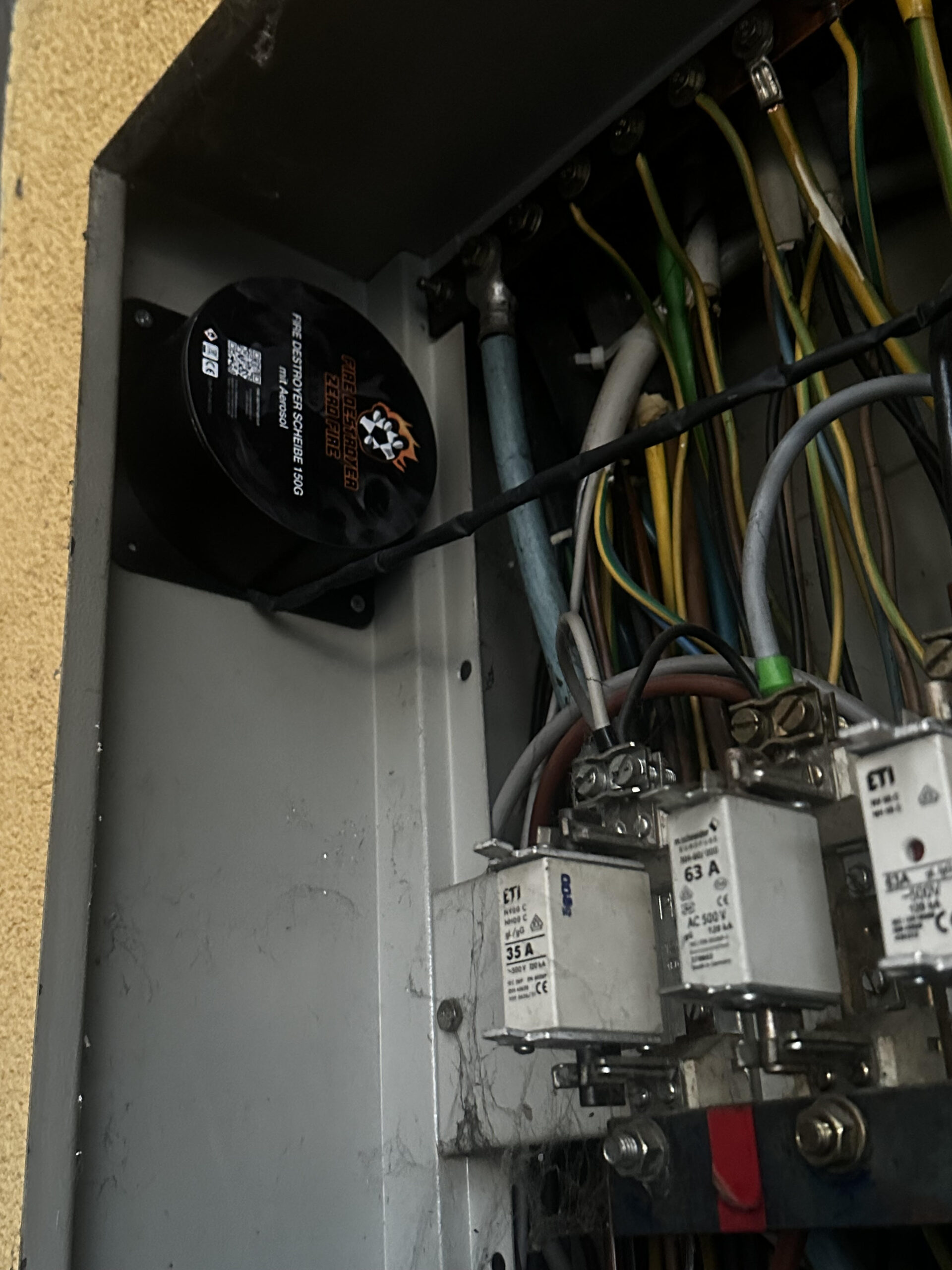
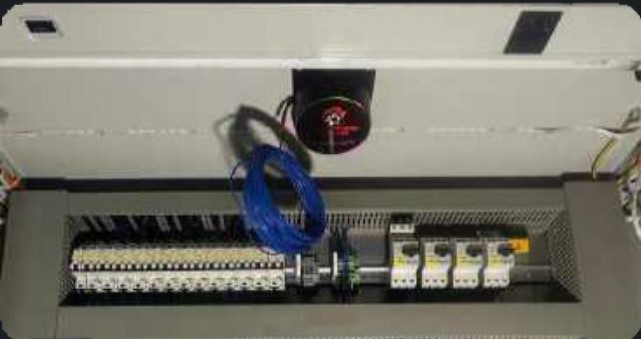
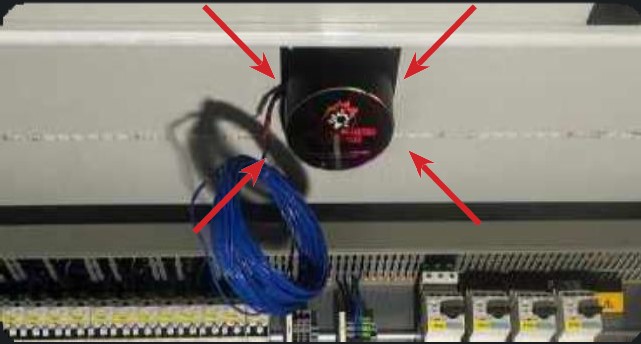
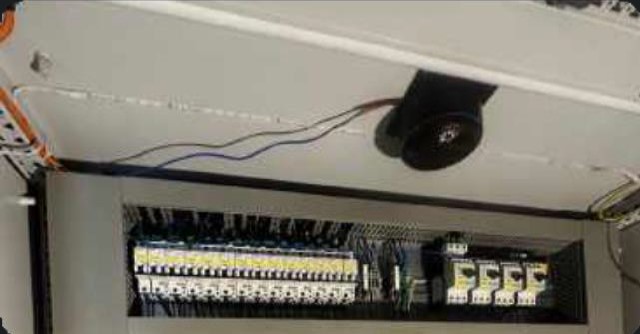
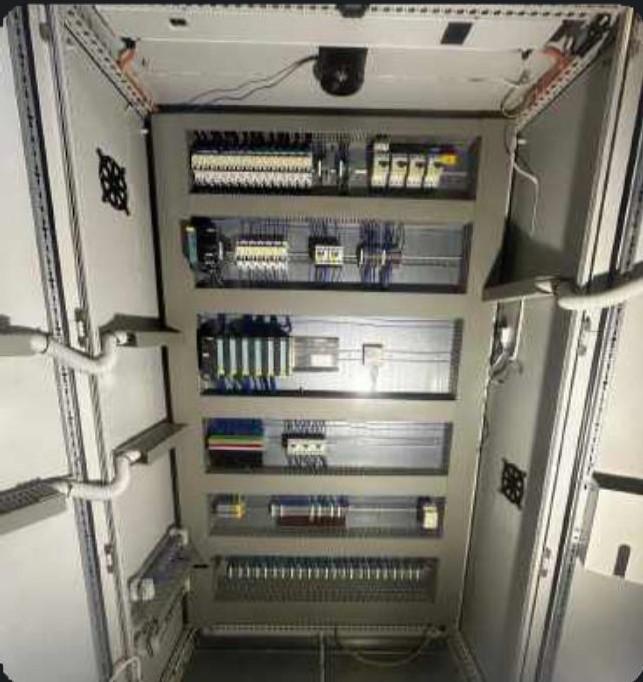
Due to its shape and size, the FIRE DESTROYER disk is designed to be installed in industrial electrical cabinets and servers.
-10%
135.56 € 122.00 € Z DDV (100.00 € BREZ DDV)
Standardi
Značilnosti
Uporaba
Garancija
-10%
Deli s prijatelji
specifications
reaction time
3 to 5 seconds
To extinguish fires in classrooms
A, B, C, F.
extinction volume
1m³ (100g)
1.5 m³ (150 g),
3 m³ (300 g),
10 m³ (1000 g)
Estimated installation time
Approximately 15 minutes.
dimensions
130 mm x 130 mm
warranty period
4 years and requires no additional maintenance
The most frequent causes of inflammation.
- Old and worn fuses
- Non-professional relationship
- Overload of the Stromnetzes
- Poor quality of materials
- overheated
- pollution
- Mechanical damage
- Damage caused by rodents
facility
The FIRE DESTROYER AEROSOL disc is fixed to a flat surface using four screws, and the ignition cable is spread across the entire area of the potential fire source. Upon contact with fire, the mechanism activates within 3 to 5 seconds, and the FIRE DESTROYER DISC provides active fire protection in rooms containing expensive technical equipment that must not be damaged by the extinguishing agent. Due to its size and the capacity of the extinguishing agent, this product is suitable for rooms with a maximum volume of 10 m³. It can be installed in a variety of rooms and areas.
Step-by-step installation instructions:
Contents of the delivery: The delivery includes 4 screws, a 10-meter ignition cable and an automatic extinguishing disc with four fixing holes.
1. Clean the chosen location for installation.
2. Place the aerosol disc in the chosen location for installation.
3. Secure the glass using the four screws.
4. Place the ignition cable behind the window, where there is a potential source of ignition.
It's done. Make sure all the screws are tight.
easy to use
tested and certified
non-toxic
Compact and lightweight
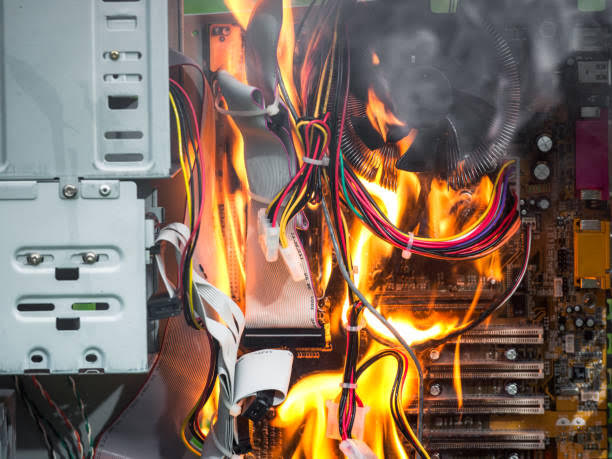
Electrical cabinets and servers
- Why do so many fires involve electricity? The overheating of cables and electrical components can lead to loosening and deterioration of contacts. Fires can be caused by faulty electrical cables, worn components in electrical cabinets, but also by a lack of maintenance of electrical appliances, poorly maintained connections, and overloaded electrical installations. Improper use of extension cords can also cause fires. Worn wires, faulty cables and fuses in electrical installations, and other components that are not maintained over time, begin to overheat and cause sparks due to a short circuit, which then ignites a fire. Flammable materials and components located nearby are then also affected, and a fire breaks out.
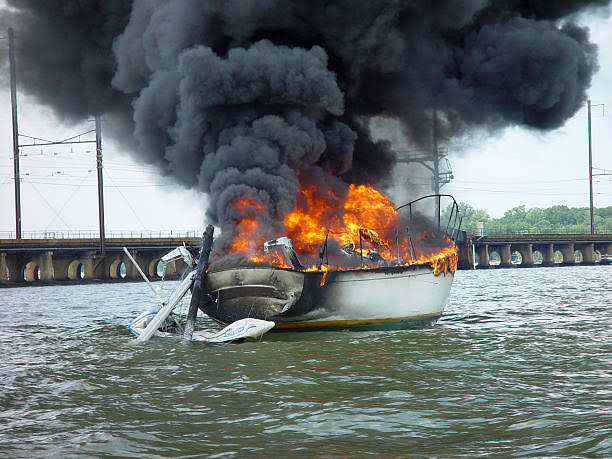
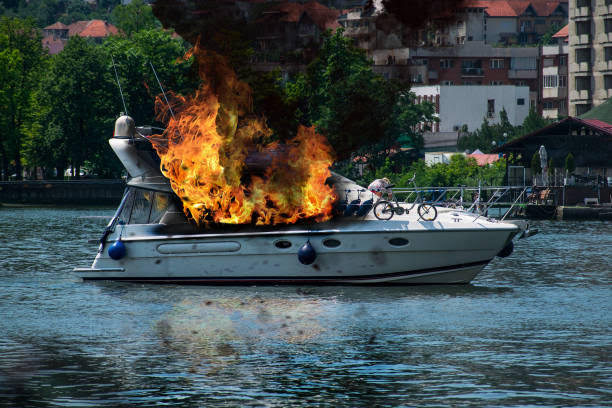
Fires on boats and barges
- 26 % fires are caused by sources that are not on board the vessel. Most of the time, a fire starts on a neighboring vessel and then spreads to our vessel. Fires in the garage or house where the vessel is moored can also be considered external sources of fire. Protect yourself against potential claims in the event of a fire on your vessel.
- 20 % fires are caused by faulty electrical installations in the boat's engine. This is usually due to poor connections in older cables. This occurs most often on boats over 25 years old, where the connections are already heavily oxidized. If you own an older boat, we recommend checking all electrical installations, replacing worn cables, and regularly cleaning all contacts. Please note that due to high temperatures in the engine compartment, salt, and humidity in the air, cable insulation quickly loses its insulating properties and must be completely replaced.
- 15 % fires are caused by DC (12V, 24V) wiring problems on a boat. The risks usually come from the boat's batteries, poor cable insulation, bad contact at connectors, reverse polarity, and incorrect cable connections. If you need to replace any equipment on your boat, first mark the cables (positive and negative) when disconnecting the connectors, then check that they are properly connected after reconnection.
- 12 % of boat fires originate from a boat's 220V AC wiring. In most cases, the problem stems from a poor connection in the cable linking the boat to the dock or port's electrical system. Before connecting the boat to an external power source, check that the cable is in good condition and undamaged. Replace it at least every 10 years.
- 9 % fires are caused by engine overheating. If your engine's cooling water supply is shut off and you don't shut it off in time, there is a high risk of overheating. The cooling water supply to the engine can be interrupted by a blocked intake port (on a sterndrive, a PVC bag can fall into the water and block the water supply. If the engine temperature rises, stop the boat and check if the bag is stuck to the stanchion. Once the bag is removed, run the engine at minimum speed to cool it down slowly). Another common cause is a worn or damaged impeller, which no longer provides enough water for cooling. It is recommended to replace the impeller every two years.
- 8 % fires are caused by batteries in boats equipped with outboard motors. On motors over 10 years old, the voltage regulator is the source of the fire. If you do not replace it sooner, ensure that it is done no later than 15 years after the motor's expiration date.
- Bei den Brandursachendaten handelt es sich um statistische Angaben von Versicherungen und deren Schadenersatzansprüchen im Falle eines Brandes auf einem Schiff. When the fire is switched on by the Brandausbrüchen, it is an automatic fire switch, the contact with the fire is activated and the fire is lost, it should be ausbreited.
-10%